
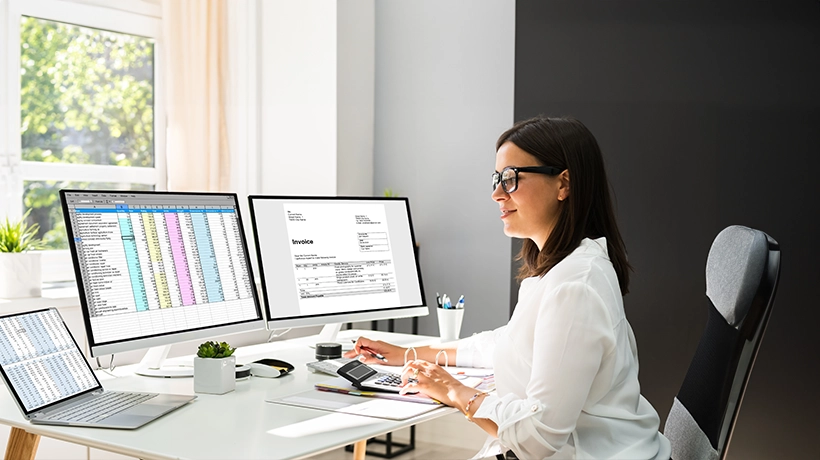



 Sent online invoices and get paid faster






A clear view of your accounts starts with a workflow that fits your business. Bring invoices, expenses and financial reports together, then review the details that matter to your team. Compare the available tools, try the everyday tasks yourself and choose a setup you can maintain as your business grows.
 Our top picks for September 2026
 9.9
9.9

 Endorsed by the AICPA
A clear view of your accounts starts with a workflow that fits your business. Bring invoices, expenses and financial reports together, then review the details that matter to your team. Compare the available tools, try the everyday tasks yourself and choose a setup you can maintain as your business grows. A clear view of your accounts starts with a workflow that fits your business.
How Does Accounting Software Work?
A clear view of your accounts starts with a workflow that fits your business. Bring invoices, expenses and financial reports together, then review the details that matter to your team. Compare the available tools, try the everyday tasks yourself and choose a setup you can maintain as your business grows.
A clear view of your accounts starts with a workflow that fits your business. Bring invoices, expenses and financial reports together, then review the details that matter to your team. Compare the available tools, try the everyday tasks yourself and choose a setup you can maintain as your business grows.
Recommended Top-Rated Accounting Software For Small Businesses in 2026
How Do You Set Up Accounting Software?
A clear view of your accounts starts with a workflow that fits your business. Bring invoices, expenses and financial reports together, then review the details that matter to your team. Compare the available tools, try the everyday tasks yourself and choose a setup you can maintain as your business grows. A clear view of your accounts starts with a workflow that fits your business. Bring invoices, expenses and financial reports together, then review the details that matter to your team. Compare the available tools, try the everyday tasks yourself and choose a setup you can maintain as your business grows.
A clear view of your accounts starts with a workflow that fits your business. Bring invoices, expenses and financial reports together, then review the details that matter to your team. Compare the available tools, try the everyday tasks yourself and choose a setup you can maintain as your business grows.
A clear view of your accounts starts with a workflow that fits your business. Bring invoices, expenses and financial reports together, then review the details that matter to your team. Compare the available tools, try the everyday tasks yourself and choose a setup you can maintain as your business grows.
A clear view of your accounts starts with a workflow that fits your business. Bring invoices, expenses and financial reports together, then review the details that matter to your team. Compare the available tools, try the everyday tasks yourself and choose a setup you can maintain as your business grows. A clear view of your accounts starts with a workflow that fits your business.
How Much Does Accounting Software Cost?
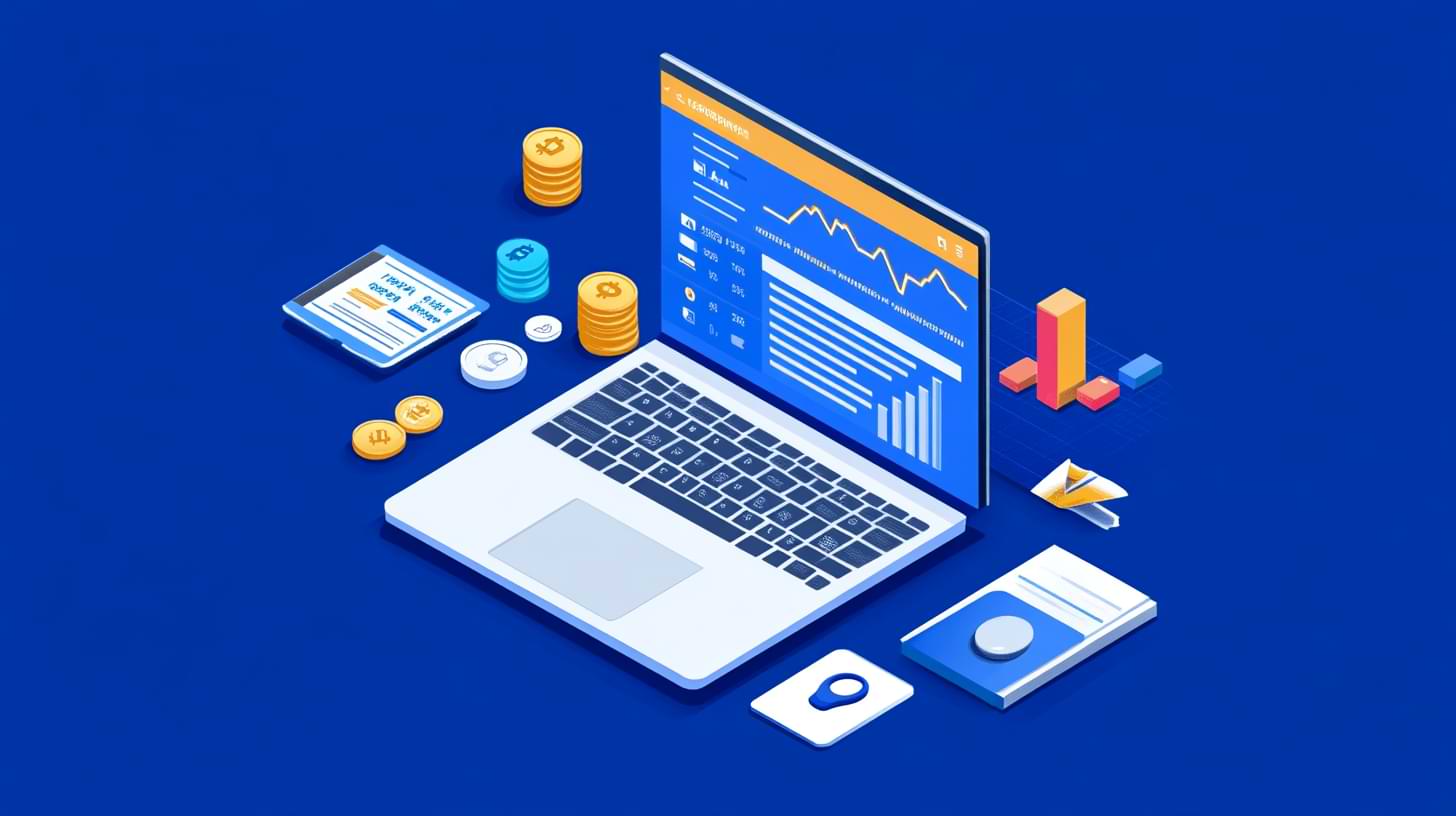
Start by listing the tools and user accounts you need today. Compare the regular subscription price with any introductory offer, then check the cost of additional services. A trial is useful for testing your daily workflow before choosing a plan.
Start by listing the tools and user accounts you need today. Compare the regular subscription price with any introductory offer, then check the cost of additional services. A trial is useful for testing your daily workflow before choosing a plan. Review billing terms directly with the provider and allow room for your business to grow. Start by listing the tools and user accounts you need today.
Most providers offer several pricing tiers so you can choose a plan that fits your budget and scale as your business grows.
The cost of accounting software depends on several factors, including:
- The Features You Need: Basic plans usually cover invoicing, expense tracking, and reports, while more advanced plans offer features like multi-user access, inventory tracking, and payroll.
- Number of Users: If you need access for more than one user, you may have to choose a higher-priced plan.
- Scalability: Larger plans are designed for growing businesses that need advanced features like time tracking, project management, and integration with other business tools.
How to Choose the Right Accounting Software
A clear view of your accounts starts with a workflow that fits your business. Bring invoices, expenses and financial reports together, then review the details that matter to your team. Compare the available tools, try the everyday tasks yourself and choose a setup you can maintain as your business grows.
A clear view of your accounts starts with a workflow that fits your business. Bring invoices, expenses and financial reports together, then review the details that matter to your team. Compare the available tools, try the everyday tasks yourself and choose a setup you can maintain as your business grows.
A clear view of your accounts starts with a workflow that fits your business. Bring invoices, expenses and financial reports together, then review the details that matter to your team. Compare the available tools, try the everyday tasks yourself and choose a setup you can maintain as your business grows.
Essential Features to Look For
Good accounting software should handle key tasks efficiently and provide room for your business to grow. These are the features worth prioritizing:
Online invoicing
Create, send, and track invoices with ease. A good invoicing tool helps speed up payments, keeps records organized, and supports recurring billing for regular clients.
Expense tracking
Automatically import and categorize transactions by linking your bank accounts. This saves time, reduces manual data entry, and helps you stay on top of spending.
Financial reporting
Get clear profit and loss statements, balance sheets, and cash flow reports. These insights help you monitor performance, plan ahead, and make informed decisions.
Tax management
Simplify tax season with features that calculate taxes, track deductible expenses, and generate reports to help you stay compliant and file accurately.
Integrations
Connect your accounting software with point-of-sale systems, CRMs, e-commerce platforms, and payment processors. Integrations streamline operations and reduce errors.
Multi-user access
Allow team members to work together while controlling who can view or edit financial data. This is essential for collaboration and data security.
Inventory management
Track stock levels, manage purchase orders, and receive low-stock alerts. This is crucial for businesses that sell physical products.
Time tracking and project management
Log billable hours, monitor project costs, and link time entries to invoices. These tools are valuable for service-based businesses and freelancers.
Mobile access
Manage your finances from anywhere using a secure mobile app. This lets you handle tasks like invoicing and expense tracking on the go.
Scalability and customization
Choose software that can grow with your business. Look for plans and features you can upgrade, along with options to tailor the software to your needs.
Recommended Accounting Software For Small Businesses in 2026
A clear view of your accounts starts with a workflow that fits your business. Bring invoices, expenses and financial reports together, then review the details that matter to your team.
Software Integrations
Connected tools can reduce repeated work across your business. Before enabling a connection, review which records it shares, how often information updates and who can access it. Test the connection with a small set of sample records. Keep a clear process for checking changes and resolving any differences between your systems.
Bank Account and Credit Card Syncing
Connected tools can reduce repeated work across your business. Before enabling a connection, review which records it shares, how often information updates and who can access it. Test the connection with a small set of sample records. Keep a clear process for checking changes and resolving any differences between your systems. Connected tools can reduce repeated work across your business.
Point-of-Sale (POS) Systems
Connected tools can reduce repeated work across your business. Before enabling a connection, review which records it shares, how often information updates and who can access it. Test the connection with a small set of sample records. Keep a clear process for checking changes and resolving any differences between your systems. Connected tools can reduce repeated work across your business.
Customer Relationship Management (CRM) Tools
Connected tools can reduce repeated work across your business. Before enabling a connection, review which records it shares, how often information updates and who can access it. Test the connection with a small set of sample records. Keep a clear process for checking changes and resolving any differences between your systems. Connected tools can reduce repeated work across your business.
E-commerce Platforms
Connected tools can reduce repeated work across your business. Before enabling a connection, review which records it shares, how often information updates and who can access it. Test the connection with a small set of sample records. Keep a clear process for checking changes and resolving any differences between your systems. Connected tools can reduce repeated work across your business.
Payroll and HR Systems
Connected tools can reduce repeated work across your business. Before enabling a connection, review which records it shares, how often information updates and who can access it. Test the connection with a small set of sample records. Keep a clear process for checking changes and resolving any differences between your systems.
Inventory Management Software
Connected tools can reduce repeated work across your business. Before enabling a connection, review which records it shares, how often information updates and who can access it. Test the connection with a small set of sample records. Keep a clear process for checking changes and resolving any differences between your systems. Connected tools can reduce repeated work across your business.
Time Tracking and Project Management Tools
Connected tools can reduce repeated work across your business. Before enabling a connection, review which records it shares, how often information updates and who can access it. Test the connection with a small set of sample records. Keep a clear process for checking changes and resolving any differences between your systems. Connected tools can reduce repeated work across your business.
Tax Compliance and Filing Software
Connected tools can reduce repeated work across your business. Before enabling a connection, review which records it shares, how often information updates and who can access it. Test the connection with a small set of sample records. Keep a clear process for checking changes and resolving any differences between your systems. Connected tools can reduce repeated work across your business.
Cloud Storage Services
Connected tools can reduce repeated work across your business. Before enabling a connection, review which records it shares, how often information updates and who can access it. Test the connection with a small set of sample records. Keep a clear process for checking changes and resolving any differences between your systems.
Our top picks for September 2026
Final Thoughts
Choose a process that suits the size of your team and the way your business operates. Keep records consistent, review them regularly and give each person a clear responsibility. When evaluating a new tool, work through a realistic example from beginning to end. Use what you learn to decide whether the change will simplify your daily work. Choose a process that suits the size of your team and the way your business operates.
Frequently Asked Questions
Q. What is accounting software, and why do I need it?
A. Accounting software is a tool that helps businesses record, track, and manage financial transactions efficiently. It reduces manual errors, saves time, and provides real-time insights into your financial health.
Q. How much does accounting software cost?
A. Costs vary based on features and providers. Basic plans can start around $15–$20 per month, while more advanced packages with additional features may range from $50 to $200 or more monthly.
Q. Is cloud-based accounting software secure?
A. Yes, reputable cloud-based accounting solutions use encryption, secure data centers, and regular backups to protect your financial data. Always choose providers with strong security protocols.
Q. Can accounting software handle tax preparation?
A. Many accounting programs offer features that assist with tax calculations, track deductible expenses, and generate tax reports, simplifying the tax filing process.
Q. What features should I look for in accounting software?
A. Key features include invoicing, expense tracking, financial reporting, bank reconciliation, and integration capabilities. Advanced options may also include payroll processing and inventory management.
Q. Is accounting software suitable for small businesses or freelancers?
A. Absolutely. Many accounting software options are designed for small businesses and freelancers, offering user-friendly interfaces and scalable features to grow with your business.
Q. Can I integrate accounting software with other tools?
A. Yes, most modern accounting software integrates with tools like payment processors, CRM systems, and e-commerce platforms to streamline your operations.
Q. Do I need accounting knowledge to use the software?
A. Not necessarily. Many solutions are built for non-accountants, with intuitive interfaces and helpful tutorials or support.
Q. How do I choose the right accounting software for my business?
A. Consider your business size, specific needs, budget, and the software’s scalability. Free trials can help you evaluate ease of use and fit.
Q. Can accounting software help with financial decision-making?
A. Yes, it provides real-time reports and insights that support smarter financial planning and business decisions.
